VIDEO PRESENTATION
NEWS
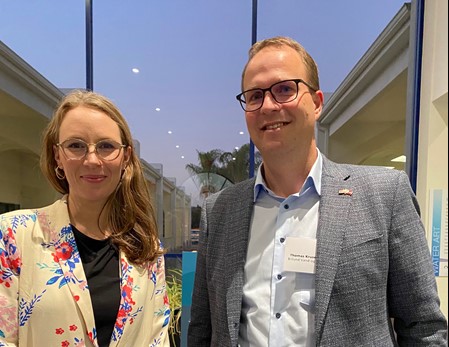
A visit to the USA with the Minister of the Enviroment showed enviromental technology from Billund BioRefinery
The pioneering project with the Future Treatment Plant at BillundBioRefinery continues to arouse great interest around the world. In december 2021, the company's director Thomas Kruse Madsen has just participated in an export promotion in the USA with Minister of the Environment Lea Wermelin. Read more.
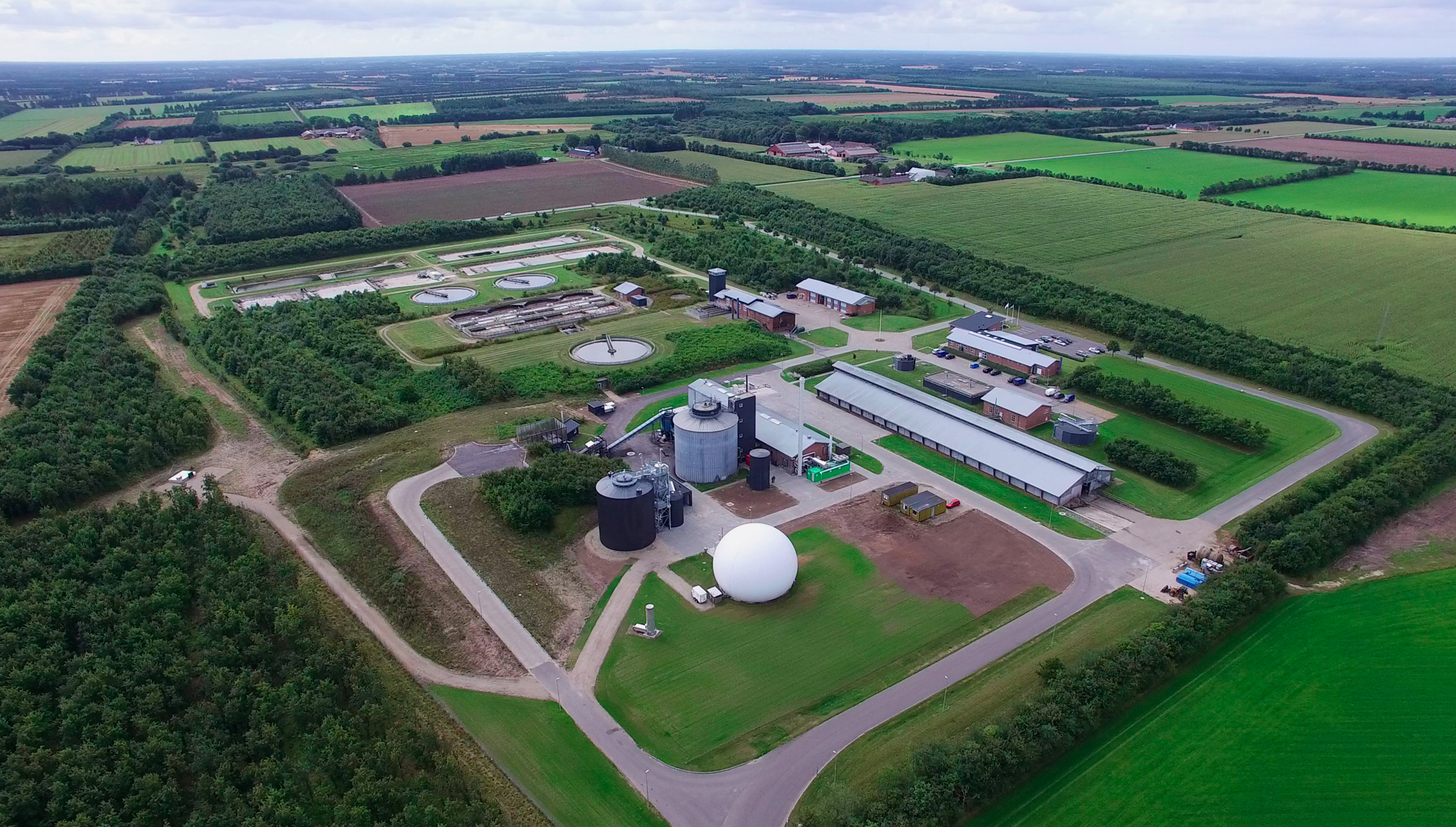
From Groundbreaking Biogas Production to New Operations: What Happened?
In 1997, Billund Vand & Energi established the Grindsted Wastewater Treatment Plant with an integrated biogas facility. This was not, in itself, groundbreaking, as biogas plants at wastewater treatment facilities are well known for reducing sludge volumes—which are otherwise costly to dispose of—while simultaneously producing green energy in the form of heat and electricity.
What made the Grindsted plant unique was that it was among the first to combine anaerobic digestion of wastewater sludge with organic household waste. This combination significantly increased biogas production compared to the traditional treatment of wastewater sludge alone. Between 2015 and 2017, the facility was expanded with a range of innovative components that further optimized gas production. The project, known as Billund BioRefinery, attracted considerable attention within the water and environmental sector, both nationally and internationally. Since then, more than 6,000 visitors—including engineers, civil servants, and politicians from around the world—have visited the facility to gain inspiration.
Changed Legislation Put an End to Waste Treatment
In 2022, the Danish Environmental Protection Act was amended so that municipalities and publicly owned companies—including Billund Vand & Energi—were no longer permitted to treat waste. For biogas production, this meant that household waste could no longer be included from January 2024, and that commercial waste will no longer be permitted from January 2027. The amendment was passed with broad political support in the Danish Parliament.
This legislative change removed the foundation for a significant part of the innovative solutions that had made Billund BioRefinery a role model. The board therefore initiated, in cooperation with the municipality—including the mayor and executive management—an intensive effort to seek an exemption. Meetings were held with local Members of Parliament, who raised the matter with the minister. Despite dialogue with both supervisory authorities and relevant agencies, it was unfortunately not possible to obtain an exemption from the Danish Energy Agency, which is the responsible authority.
Current Status
The biogas facility remains in operation as an integrated part of the Grindsted Wastewater Treatment Plant and continues to play an important role in the efficient and environmentally friendly treatment of wastewater sludge. Without the biogas facility, it would be necessary to invest several million Danish kroner in an alternative sludge treatment solution. The facility can still process waste classified under the Sludge Order, allowing the continued use of innovative solutions—albeit on a smaller scale than before.
The company Billund Energi has been merged back into the Grindsted Wastewater Treatment Plant, where it was originally established. This preserves the opportunity for local production of green energy and efficient sludge management.
We Are Still Proud
We are, of course, saddened to conclude an era of groundbreaking innovation in the anaerobic digestion of food waste. At the same time, we can look back with pride on how Billund BioRefinery has inspired both national and international stakeholders and made a significant contribution to the development of the biogas sector in Denmark.
June 2025